Past Simple
How to talk about completed actions and past events in English
What Is Past Simple?
Past Simple (also known as Simple Past) is used to describe actions or situations that started and finished at a specific time in the past. The moment of completion is clear — either stated explicitly or understood from context.
This tense is the primary tool for narrating events, telling stories, and describing personal experiences. Whether you're writing a diary entry or chatting about your weekend, Past Simple is essential.
How to Form Past Simple
Subject + V2 (regular: V+ed)Subject + did not (didn't) + V1Did + Subject + V1?| Pronoun | Positive | Negative |
|---|---|---|
| I | worked | didn't work |
| You | worked | didn't work |
| He / She / It | worked | didn't work |
| We | worked | didn't work |
| They | worked | didn't work |
Important: irregular verbs do NOT follow the -ed pattern. They have unique past forms that must be memorised (e.g. go → went, see → saw, buy → bought).
Regular vs Irregular Verbs
Most English verbs form the past simply by adding -ed. There are some spelling rules to keep in mind (e.g. doubling the final consonant, changing -y to -ied).
Regular Verbs (+ed)
| Base | Past Simple |
|---|---|
| work | worked |
| play | played |
| study | studied |
| stop | stopped |
Irregular Verbs
| Base | Past Simple |
|---|---|
| go | went |
| see | saw |
| buy | bought |
| take | took |
When Do We Use Past Simple?
- Completed Past Actions
A single action or state that began and ended at a specific point in the past.
I visited my grandparents last weekend.
I visited my grandparents last weekend.
- Sequence of Past Events
A series of actions that happened one after another in the past.
He woke up, made coffee and read the news.
He woke up, made coffee and read the news.
- Storytelling & Narrative
The backbone of any story or narrative — describes the main events in chronological order.
Once upon a time, a young girl lived in a small village.
Once upon a time, a young girl lived in a small village.
Signal Words
These time expressions strongly suggest the use of Past Simple:
More Examples
We travelled to Italy two years ago.
We travelled to Italy two years ago.
She didn't finish her homework.
She didn't finish her homework.
Did you enjoy the concert?
Did you enjoy the concert?
The meeting started at 10 and ended at noon.
The meeting started at 10 and ended at noon.
Common Mistakes
❌ He didn't went to the party.
✅ He didn't go to the party.
After 'didn't', always use the base form (infinitive), not the past form.
❌ Did she played tennis?
✅ Did she play tennis?
In questions with 'did', the main verb must be in its base form.
❌ I writed a letter yesterday.
✅ I wrote a letter yesterday.
'Write' is an irregular verb — its past form is 'wrote', not 'writed'.
Past Simple: Your Key to Storytelling in English
Past Simple is one of the most frequently used tenses when communicating in English. From job interviews ('I worked at X for 3 years') to casual conversations ('What did you do at the weekend?'), this tense is everywhere. Confident use of Past Simple makes your English sound natural and fluent.
A key area to focus on is irregular verbs. While regular verbs follow a predictable pattern, the 150+ irregular verbs in English need to be learned individually. The good news is that the most commonly used verbs (go, come, see, get, make, take) appear so frequently in everyday speech that you'll naturally memorise them through exposure and practice.
Try keeping a simple diary in English — just 3-5 sentences about your day using Past Simple. This habit, practised consistently, will do more for your language skills than most grammar exercises.
Practice What You've Learned
Read adapted articles to reinforce your understanding of grammar rules in real English texts

Mysteries from the Mountains: The Enduring Allure of Giants
For centuries, humanity has been fascinated by tales of creatures larger and more powerful than ourselves. These stories often come from remote places…
Your Path to Personal Power: Insights for the Journey Ahead
Every day offers a chance for growth and self-discovery. By looking within and using the wisdom around us, we can shape a stronger, happier future. He…
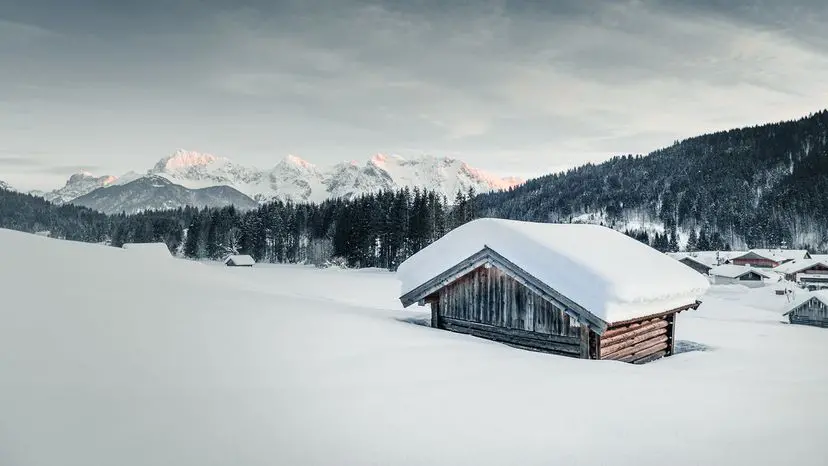
Winter's White Blanket: Exploring Snowy Landscapes
There's something truly special about a landscape covered in fresh snow. The world becomes quieter, brighter, and offers a unique kind of beauty. For …

The Quiet Courage of Everyday Heroes
The Quiet Courage of Everyday Heroes Sometimes, heroes don't wear capes or have superpowers. They are ordinary people who, in a moment of danger, cho…
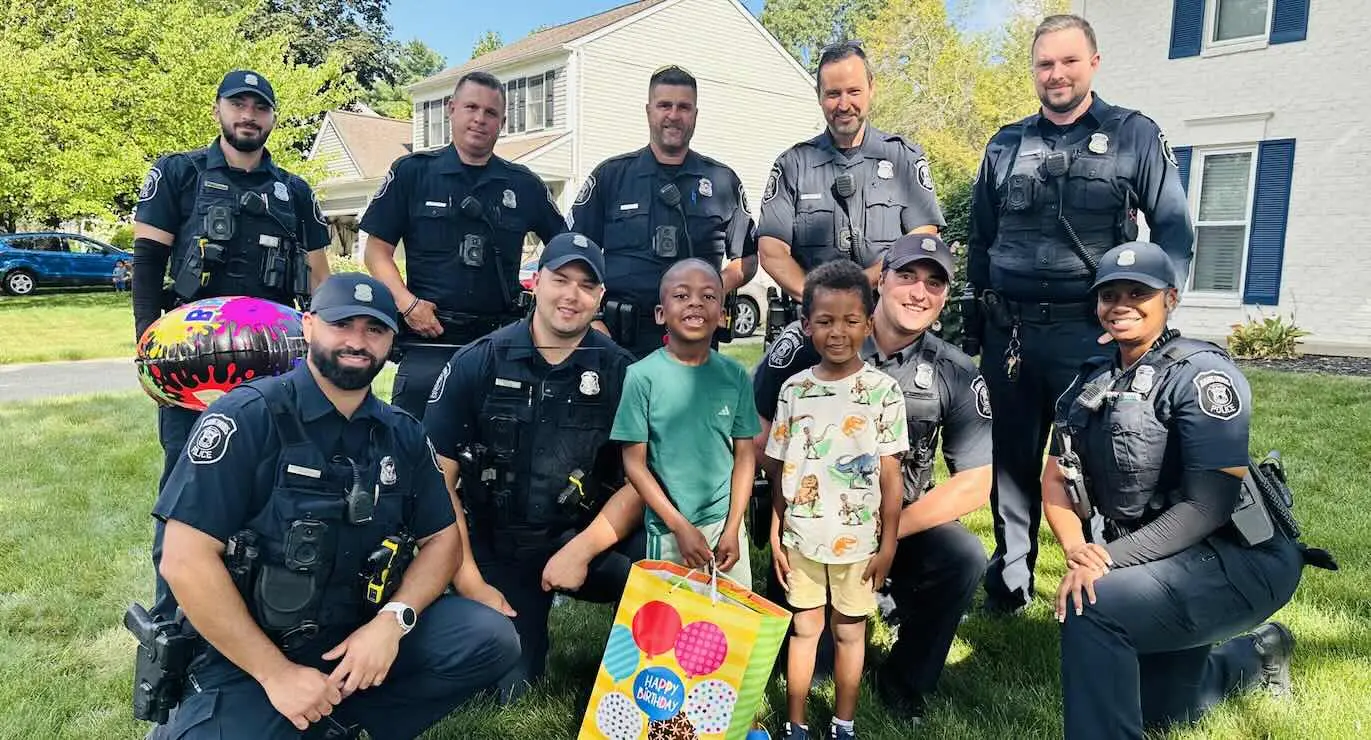
Community Heartbeat: Police Kindness Transforms a Neighborhood
Imagine a regular Saturday morning. A young boy, full of energy and curiosity, makes a phone call that changes everything. He wasn't in any danger; he…

The Heart of the Machine: How a Car's Core Changes Your Drive
When you get behind the wheel, you don't just drive; you feel. The way a car moves, responds, and makes you feel connected to the road is a big part o…