The Heart of the Machine: How a Car's Core Changes Your Drive
When you get behind the wheel, you don't just drive; you feel. The way a car moves, responds, and makes you feel connected to the road is a big part of the driving experience. A key factor in this feeling is where the engine, the "heart" of the car, is placed.
Most cars you see on the road have their engine at the front. This design often gives you a familiar feeling, like the car is being pulled along. It feels stable and predictable, making everyday driving smooth and easy. The car feels like it's leading the way, pulling you forward in a controlled manner.
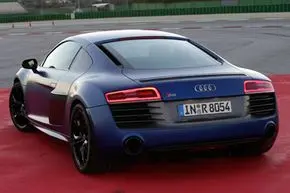
However, some cars are built differently. When the engine is placed in the middle or at the back, the feeling changes quite a lot. Instead of being pulled, it can feel like a strong force is pushing you forward. This creates a different kind of excitement and a closer connection to the road. With the engine behind you, many drivers feel a stronger sense of being 'part' of the car, reacting quickly to every turn and move. It’s a very direct and thrilling sensation.
To imagine the difference, think about two kinds of fun rides. One ride pulls you along from the front, guiding you smoothly around corners. The other ride gives you a powerful push from behind, making you feel every acceleration and turn with more intensity. Both are designed for speed and fun, but the feeling you get is completely different because of where the main force comes from.
Car engineers make careful choices about engine placement. They know that this decision greatly affects how the car performs and, more importantly, how you experience the drive. Whether you prefer a steady, guided journey or an exciting, pushed ride, the location of a car's power source truly shapes your adventure on the road.
Useful vocabulary for this level
engine, drive, car, machine, core, power, speed, comfort, safety, road, smooth, control, fuel, electric, wheel, brake, suspension, chassis, technology, experience, journey, change, feel, important, system, part, automatic, manual, responsive, efficient, accelerate, handle, stable, robustGrammar patterns found in this adapted reading
In the reading text for B1–B2 level you can find Present Simple: "The engine is often called the 'heart' of a car because it makes the vehicle move."In the reading text for A1–A2 level you can find Modal Verb (can): "Understanding these parts can help you choose the best car for your needs."
In the reading text for B1–B2 level you can find Present Perfect: "Modern technology has changed cars a lot, making them safer and more connected."
In the reading text for B1–B2 level you can find Conditional (Type 1): "If your car has good suspension, you will feel fewer bumps on the road."
In the reading text for A2–B1 level you can find Passive Voice: "The car's core is made up of many important systems that work together."
What new things readers can learn from this adapted text
In this adapted text you can learn new information about how a car's main parts, often called its "core," directly affect your driving experience. You will discover the roles of the engine, transmission, chassis, suspension, steering, braking, and modern electronic systems.- You will understand how different engine types (petrol, electric, hybrid) influence a car's performance, speed, and fuel efficiency.
- The text explains the differences between manual and automatic transmissions and how each affects control and ease of driving.
- Readers will gain insight into how the chassis and suspension contribute to a car's safety, stability, and overall comfort on various roads.
- It highlights the importance of responsive steering and effective braking systems for both control and driver safety.
- Finally, you will learn about the impact of modern technology, such as driver-assistance systems and digital connectivity, on the contemporary driving experience and future innovations.
The Heart of the Machine: How a Car's Core Changes Your Drive
Welcome to an exciting journey into the world of automobiles! If you are looking for engaging English reading texts to improve your language skills, this article is perfect for you. Here, we explore the essential parts of a car – its core – and how they define your driving experience. This is an excellent example of adapted reading texts, carefully designed to be accessible for learners at various levels, from English reading for beginners at A1/A2 to intermediate B1/B2 levels. Understanding how a car works not only teaches you about vehicles but also offers rich context for practicing new vocabulary and grammar.
Have you ever wondered why one car feels different from another? The answer lies deep inside, in the "heart of the machine." Every part of a car, from its engine to its smallest electronic sensor, plays a role in how you feel behind the wheel. Learning about these elements is a great way to enhance your comprehension, making it an ideal choice among adapted articles for reading. As you read, remember to save any new words to your personal dictionary to expand your vocabulary!
The Engine: Powering Your Journey
The engine is often called the 'heart' of a car because it makes the vehicle move. Without it, the car is just a big piece of metal. There are different types of engines:
- Petrol/Gasoline Engines: These are common. They use fuel to create power, making the car go fast. A powerful engine means quick acceleration.
- Diesel Engines: Similar to petrol, but often more fuel-efficient for long journeys and produce more torque (pulling power).
- Electric Motors: These use electricity from batteries. They are very quiet and offer instant speed. Electric cars are becoming very popular and represent the future of driving for many.
- Hybrid Engines: These cars have both a petrol engine and an electric motor. They offer a good balance of power and fuel saving.
The type of engine greatly affects your drive. A sporty car with a big engine will feel very fast and exciting. An electric car will offer a smooth, silent, and instant acceleration. These differences are key topics found in many adapted books for reading about technology.
The Transmission: Smooth Moves
The transmission system helps the engine's power reach the wheels. It's like a bicycle's gears – you change them to go faster or climb hills easily. Cars have different transmissions:
- Manual Transmission: Here, the driver changes gears using a stick and a pedal (clutch). It gives the driver more control and a more 'connected' feeling to the road. Many enjoy the skill required to drive a manual car.
- Automatic Transmission: The car changes gears by itself. This makes driving much easier, especially in city traffic. It’s perfect for those who want a relaxed drive.
- CVT (Continuously Variable Transmission): This type offers extremely smooth acceleration without noticeable gear changes.
- Dual-Clutch Transmission (DCT): Known for very fast and efficient gear shifts, often found in performance cars.
The transmission changes how smooth or engaging your drive is. When you are reading adapted texts about car mechanics, you will see how these components work together to create a unique driving feel.
Underneath It All: Chassis and Suspension
The chassis is the main frame of the car. It’s like the skeleton of your body, giving the car its structure and strength. A strong chassis means a safer car and better handling. The suspension system connects the wheels to the chassis. It has springs and shock absorbers that help the car:
- Be Comfortable: It absorbs bumps and unevenness on the road, making your journey smoother. If your car has good suspension, you will feel fewer bumps on the road.
- Stay Stable: It keeps the car balanced, especially when turning or driving at speed, ensuring better control.
A car with stiff suspension might feel sporty but less comfortable. A car with soft suspension will be very comfortable but might not handle corners as sharply. These are important details you can pick up from any good adapted articles for reading focused on engineering.
Steering and Braking: Control and Safety
Steering: This system allows you to turn the car. A good steering system feels responsive – the car turns quickly and exactly where you want it to go. Some cars have light steering, which is easy for city parking. Others have heavier steering, which gives more feedback at high speeds.
Braking: This is perhaps the most critical safety system. Good brakes stop the car quickly and safely. Modern cars have systems like ABS (Anti-lock Braking System) which prevent the wheels from locking up, allowing you to steer even when braking hard. The feel of the brake pedal – how firm or soft it is – also affects your sense of control.
The Digital Brain: Modern Electronics
Modern technology has changed cars a lot, making them safer and more connected. Today's cars have a complex electronic 'brain' that manages many functions:
- Driver-Assistance Systems: These include features like adaptive cruise control, lane-keeping assist, and automatic emergency braking. They help prevent accidents and make long drives less tiring.
- Infotainment and Connectivity: Touchscreens, navigation, smartphone integration, and internet access are now common. They make the journey more enjoyable and informative.
- Autonomous Driving: The future promises cars that can drive themselves, making roads potentially safer and travel more relaxing.
These electronic systems add layers of convenience and safety, drastically altering the driving experience. Learning about these innovations through adapted stories for reading can be very engaging.
The Total Driving Experience
Every component we discussed – the engine, transmission, chassis, suspension, steering, brakes, and electronics – works together to create your unique driving experience. Understanding these parts can help you choose the best car for your needs and appreciate the engineering that goes into every journey. Whether you prefer a fast sports car, a comfortable family SUV, or an eco-friendly electric vehicle, the core of the machine is what makes it special.
We hope you enjoyed this dive into the mechanics of cars. Continuing your language learning journey with more adapted books for reading or other English reading for A1/A2/B1/B2 level materials will help you master new topics and vocabulary. Keep practicing your English reading skills, and you will see great progress!